THE CLIMB CLINIC
Christchurch's only dedicated climbing injury service
What Sets Us Apart
Climbing puts unique, repetitive load through small joints and tendons that most clinicians rarely see in any other sport. A generic diagnosis of 'finger strain' misses the difference between a pulley injury, a flexor tendon issue, and a joint capsule problem — and each needs a different plan.
What we treat
Pulley strains and tears (A2, A3, A4)
— the classic "popped pulley" injury
Flexor tendon and tenosynovitis
— persistent finger flexor pain and stiffness
Finger and thumb joint pain
— including early signs of joint changes from repetitive loading
Elbow tendinopathies
— climber's elbow, golfer's and tennis elbow patterns
Shoulder instability and rotator cuff issues
— common in overhang and dynamic climbing
Wrist and forearm overload
— including early-stage tendinopathies
before it becomes chronic
Ankle sprains and instability
— from heel hooks, drop landings,
and awkward falls
Hip flexor strain and impingement
— common with high steps, rock-overs, and flexible hip positions
Hamstring strains
— from toe hooks, flagging, and dynamic leg movements under load
How we treat
Assess
— Proper load testing and movement screening to identify exactly which structure is involved, not just "it hurts when I crimp."
Treat + Train
— Hands-on treatment alongside a climbing-specific loading programme, because tendons and pulleys need progressive load to heal — not just rest.
Perform
— A graded return-to-climbing plan built around your actual capacity, so you get back on the wall without re-injuring the same finger three weeks later.
Tools + Products
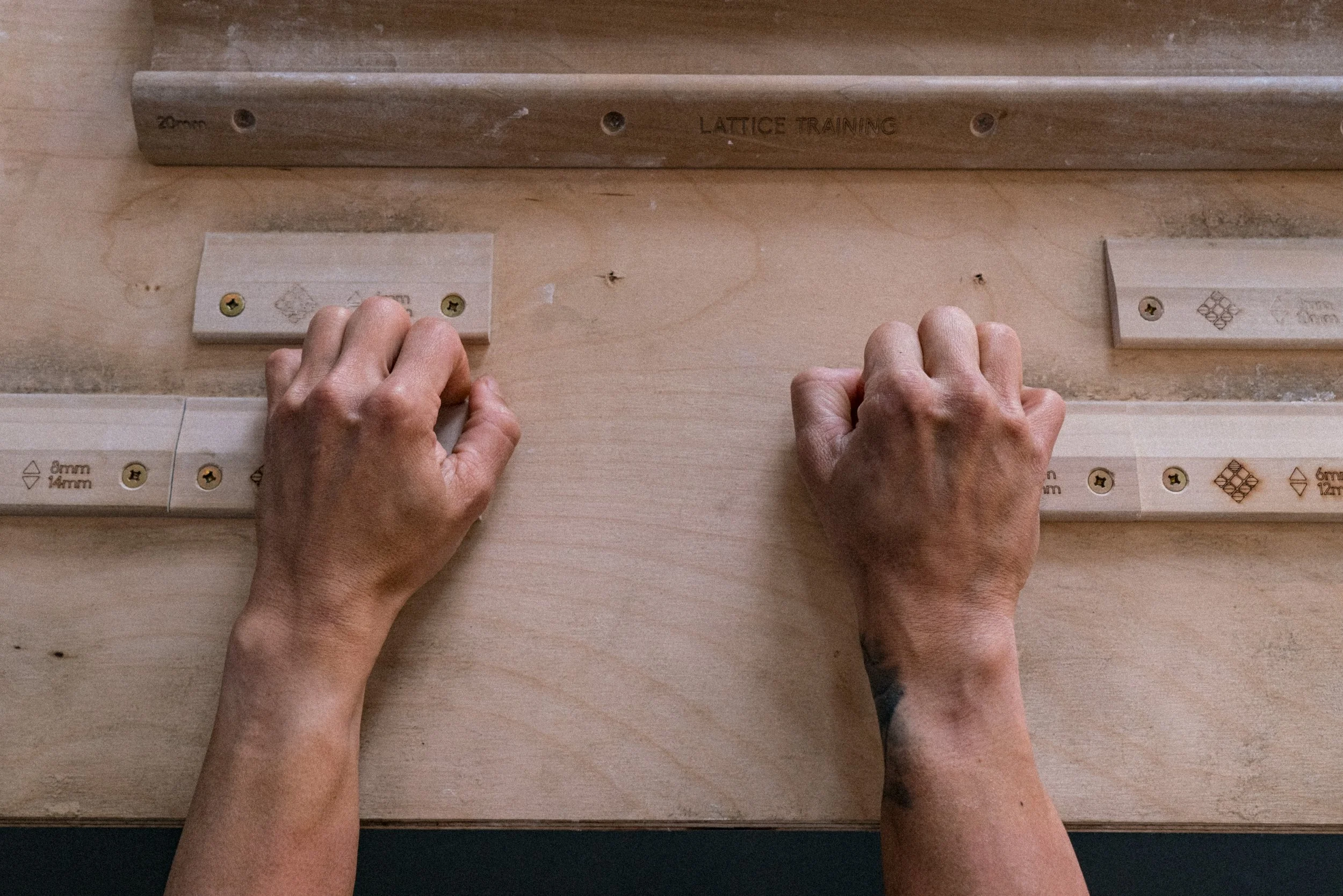
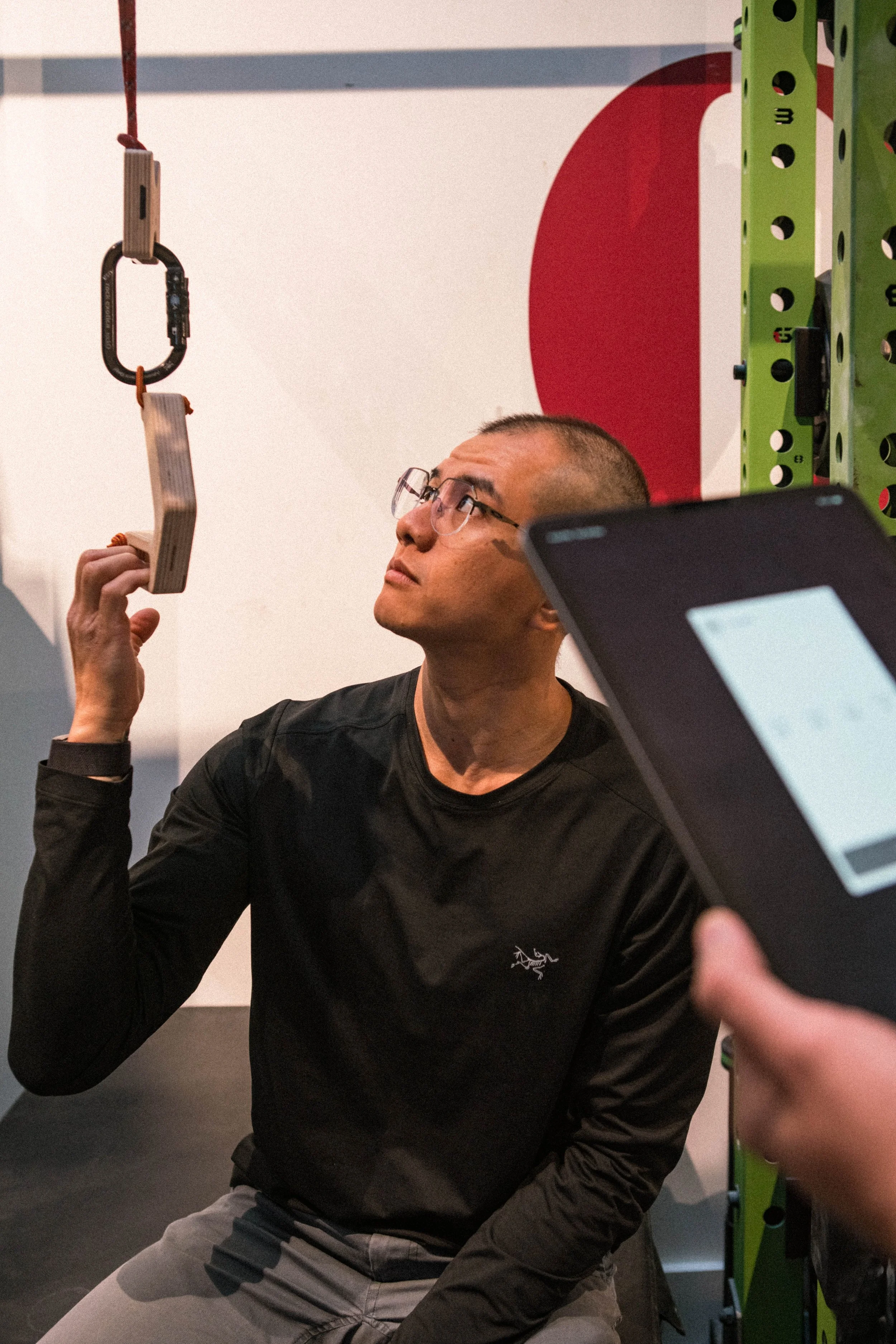
Custom pulley protection splints — handmade to your exact finger geometry, for both rehab and continued climbing. One of the only places in Aotearoa offering these.
ClimbingGogor rehab and warm-up devices — in clinic and available to order
Penguin Finger sleeves — targeted support for finger joints during climbing and rehab
Shockwave therapy — for the stubborn, slow-healing injuries that don't respond to rest alone: chronic elbow tendinopathies, hip flexor and hamstring tendon issues, and long-standing finger or pulley pain that's stalled in recovery.
Who is it for
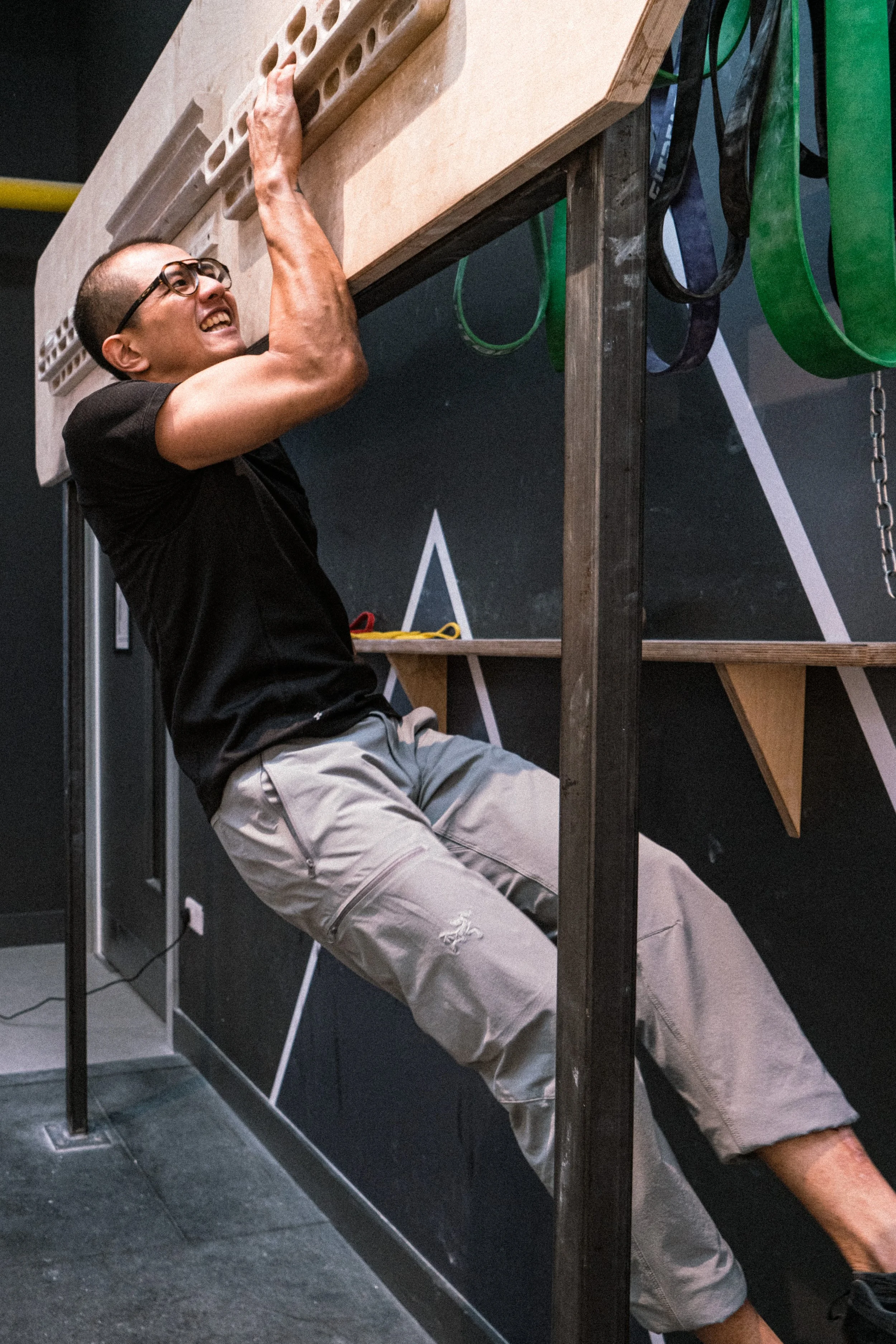
Weekend boulderers
at Castle Hill or the local gym
Sport and trad climbers
at Castle Hill, Lyttelton, or the Port Hills
Competition climbers
managing training load
Anyone cycling through the same finger tweak for months without it fully resolving
Frequently
Asked
Questions
-
It depends on the grade — a mild strain can settle in 2–3 weeks, but a full tear can take 3 months or more if it's not managed properly. The biggest factor isn't time, it's whether you're loading it correctly while it heals.
→ Book an assessment to find out exactly what grade you're dealing with. -
Usually, yes — full rest is rarely the right answer for tendon and pulley injuries. The key is climbing within a load your tissue can actually handle, which is different for every injury and every climber.
→ We'll build that plan with you at your first session — book here. -
If it happened from a specific incident — a fall, an awkward landing, a sudden pop — yes, ACC usually applies. Gradual overuse injuries that built up over time don't qualify the same way.
→ Book your assessment and we'll confirm your ACC eligibility on the day. -
Custom pulley splints are fitted as part of a Climb Clinic assessment, since they're made to your exact finger geometry — there's no generic size that works as well.
→ Book an assessment to get fitted properly, not guess your size. -
That's normal, and it's exactly what the assessment is for. Most climbers come in describing a feeling, not a diagnosis — figuring out what's actually going on is our job, not yours.
→ Book in and we'll work it out together. -
Possibly. Climbing puts load through fingers, pulleys, and joints in ways most physio training doesn't cover in depth — and a generic diagnosis can miss what's actually going on. Worth a proper look before assuming nothing will help.
→ Book a Climb Clinic assessment for a second opinion. -
Online booking is open now — pick a time that suits you, no waiting on a phone call or referral.
→ Book online here, 24/7.
Still climbing through it,
or finally ready
to sort it properly?
Book The Climb Clinic assessment,
or send a message if you're not sure whether it's worth coming in.